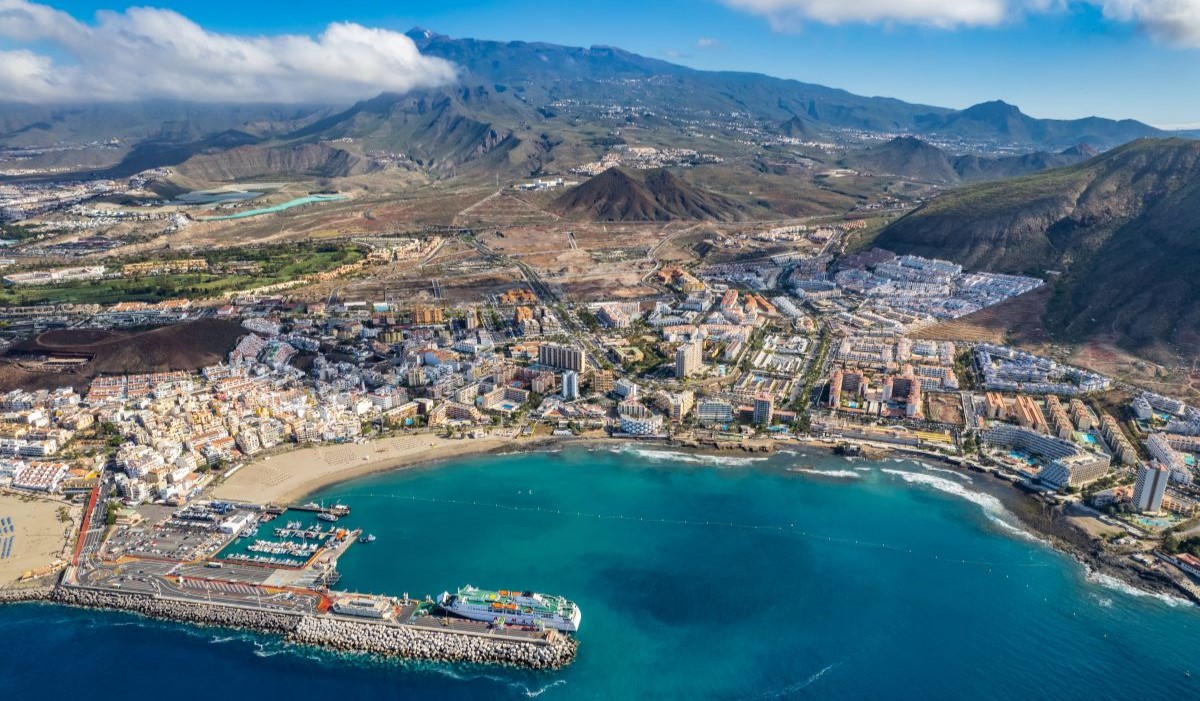



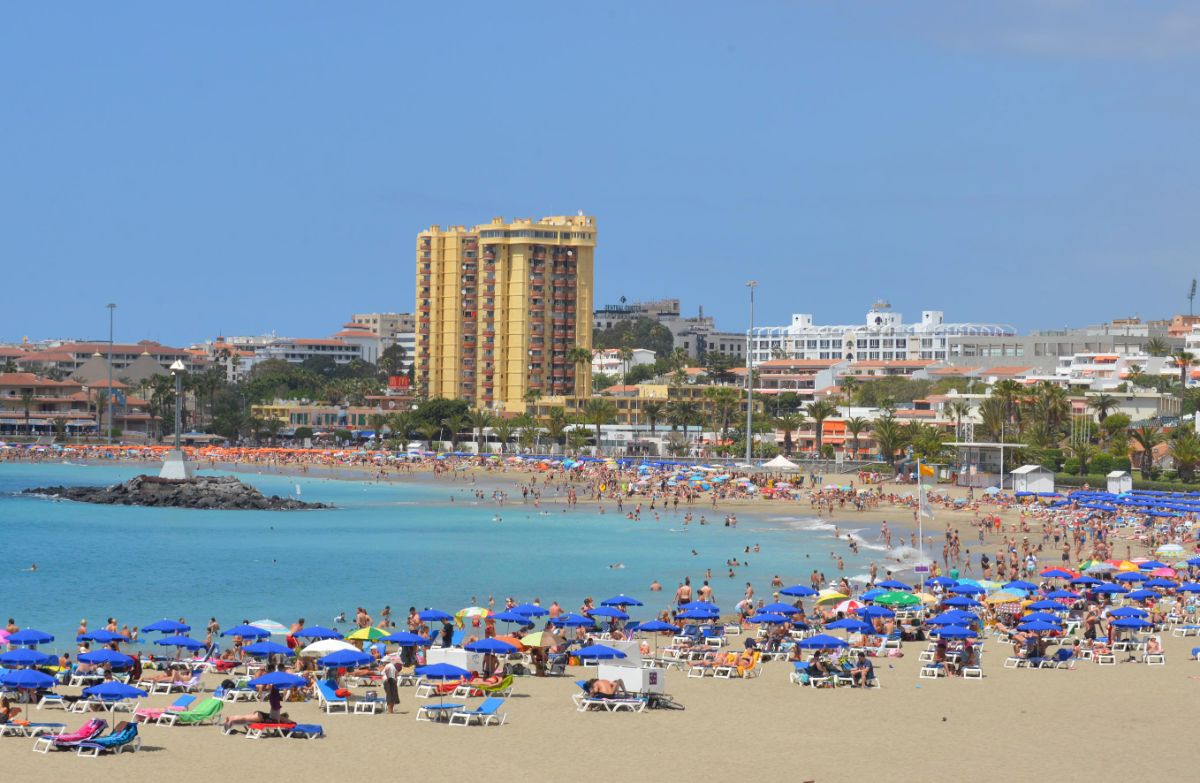
Tenerife has experienced a setback in its coastal quality rankings after losing one of its Blue Flag distinctions for 2026, marking its lowest total in seven years. The beach of Los Cristianos has been removed from the list of award-winning sites, reducing the island’s tally to eleven recognised beaches under the internationally respected programme.
The Blue Flag scheme, overseen in Spain by the Association for Environmental and Consumer Education (Adeac), evaluates beaches and marinas according to strict criteria, including water quality, safety standards, environmental management and available services. While the Canary Islands as a whole have strengthened their position this year—with 52 beaches flying the Blue Flag, five more than in 2025—Tenerife stands out as the only island to move in the opposite direction.
A decline after recent highs
The loss of Los Cristianos brings Tenerife’s total down from twelve in 2025 to eleven in 2026. This represents the island’s weakest performance since 2019, when it recorded just nine awards. The decline is particularly notable given that Tenerife achieved its best result of the past decade as recently as 2024, when it secured sixteen Blue Flags.

Over recent years, several beaches have gradually dropped off the list. In addition to Los Cristianos, Tenerife has lost distinctions at Fañabé, El Muelle de Garachico and the El Caletón natural pools. The cumulative effect has been a steady reduction in recognised sites, particularly in the south of the island, where tourism is most concentrated.
Los Cristianos: a recurring loss
The removal of Los Cristianos from the 2026 list is not without precedent. The beach had consistently held the Blue Flag for the past four years, but this marks the second time in the last decade that it has lost the distinction. The previous loss occurred in 2019, and it took until 2022 for the beach to regain its status.
As a result, in the municipality of Arona, only Las Vistas beach retains the Blue Flag this year. This represents a sharp contrast with 2024, when Arona boasted three recognised beaches: El Camisón, Las Vistas and Los Cristianos.
Southern municipalities lose ground

The decline is particularly striking in the south of Tenerife, an area traditionally marketed for its coastline and sandy beaches. Municipalities such as Arona and Adeje—key tourism hubs—now account for just three Blue Flag beaches between them: El Duque, Torviscas and Las Vistas.
This is a significant drop compared to previous years. In 2024, these same municipalities held six distinctions, meaning they have lost half of their recognised beaches in just two years. Looking further back, Adeje alone had four Blue Flags in 2021, including La Enramada and Troya I and II. Even earlier, beaches such as El Médano, in Granadilla de Abona, featured on the list, though that recognition dates back to 2017.
A positive note for marinas
Despite the decline in beach awards, Tenerife has seen a modest improvement in its marina recognitions. The Port of Garachico has been awarded the Blue Flag for the first time, joining the Real Club Náutico de Santa Cruz, which has held the distinction continuously since 2013.
Across the Canary Islands, marinas have seen a notable increase, with ten ports awarded the Blue Flag in 2026—six more than the previous year. New additions include facilities in Lanzarote, Gran Canaria, Fuerteventura and, for the first time, the island of La Graciosa.
Regional overview

Across the archipelago, the distribution of Blue Flag beaches in 2026 reflects a generally positive trend:
- Lanzarote: 6 beaches
- Fuerteventura: 11
- Gran Canaria: 15
- Tenerife: 11
- La Palma: 6
- El Hierro: 2
- La Gomera: 1
Several beaches in Lanzarote and Fuerteventura have regained their status this year, while Gran Canaria has added a new award for Las Burras beach.
Spain maintains global leadership
At a national level, Spain continues to lead the world in Blue Flag awards, with a total of 794 distinctions in 2026—an increase of 44 compared to the previous year. The country accounts for approximately 15% of all Blue Flag beaches worldwide, further consolidating its position as a benchmark for coastal quality and environmental standards.
Despite the overall growth across the Canary Islands and Spain, Tenerife’s decline highlights a shifting landscape in coastal management and recognition. For an island whose international appeal is closely tied to its beaches, the reduction in Blue Flag awards—particularly in its southern resorts—raises questions about future strategies to maintain competitiveness and uphold environmental excellence.