




Santa Cruz de Tenerife seeks to recover Blue Flag status 24 years after losing it
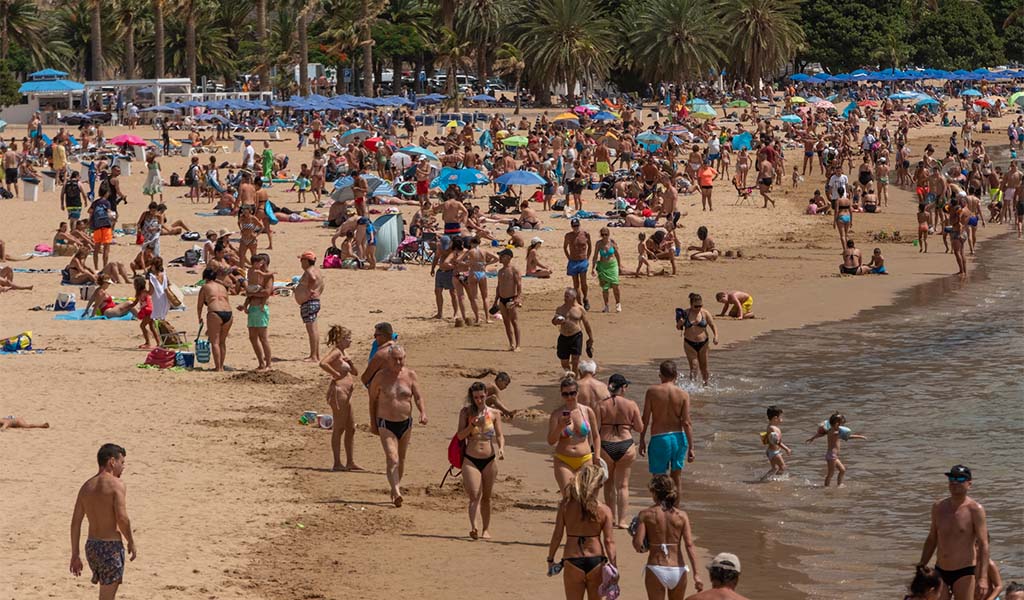
Santa Cruz wants Adeac to recognise the municipality’s recent sanitation improvements and reassess several coastal areas for the 2027 Blue Flag awards.
Santa Cruz wants Adeac to recognise the municipality’s recent sanitation improvements and reassess several coastal areas for the 2027 Blue Flag awards.
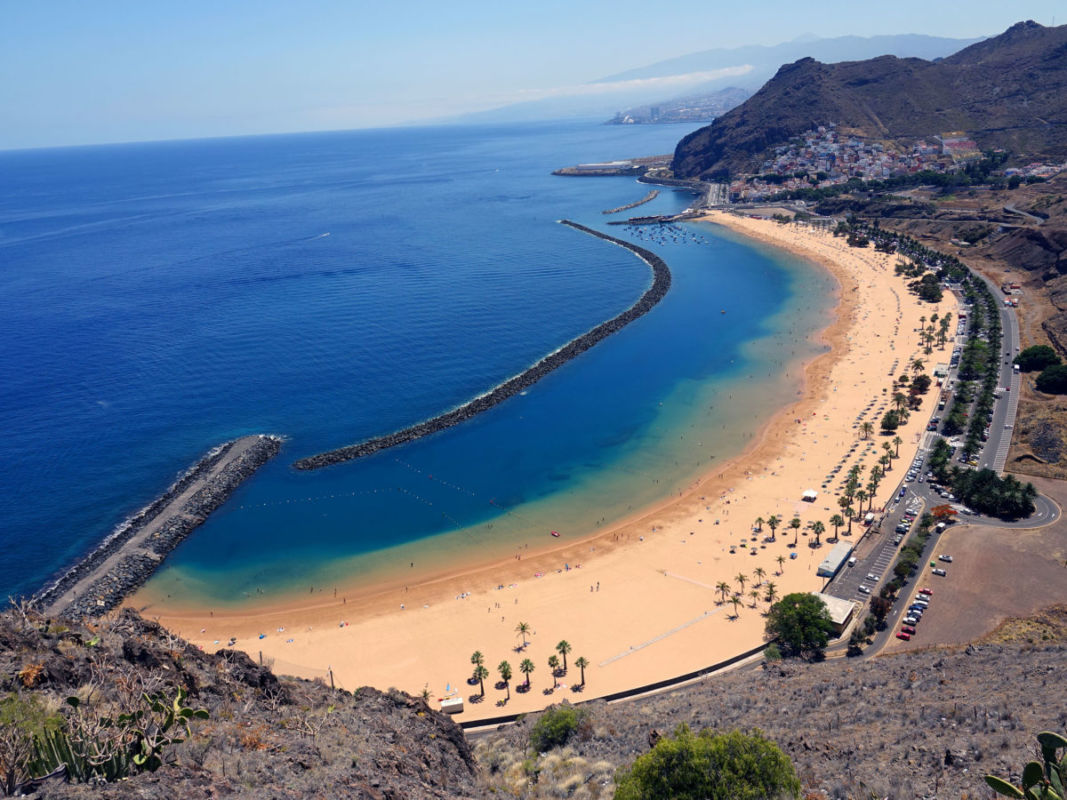
Santa Cruz insists Las Teresitas is safe for swimming after official analyses confirmed good water quality at the beach and nearby Valleseco bathing areas.

Holiday homes advertised on digital platforms remain a major issue in the Canary Islands, with Arona and La Oliva among Spain’s leading municipalities.
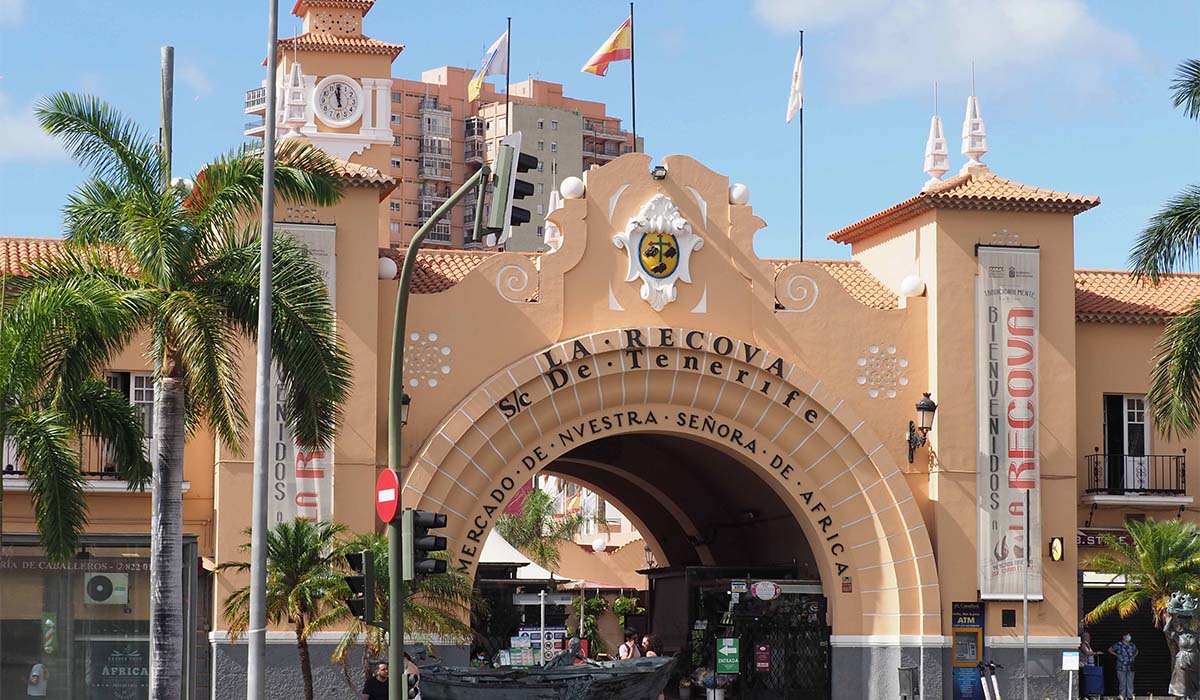
La Recova strengthens Santa Cruz de Tenerife as a hub for local trade, gastronomy, sustainability and international market culture.
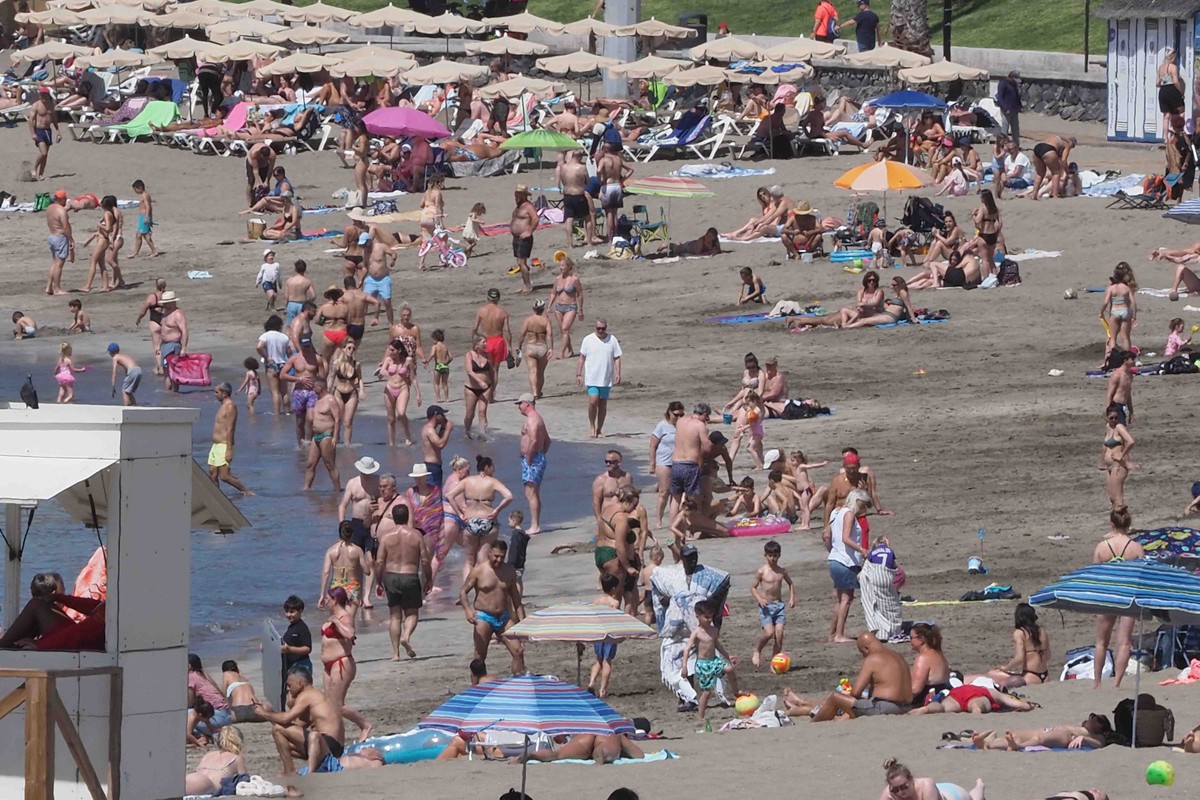
The Canary Islands’ 2025 tourism figures highlight the Archipelago’s global appeal, with international visitor numbers surpassing Brazil by more than six million.
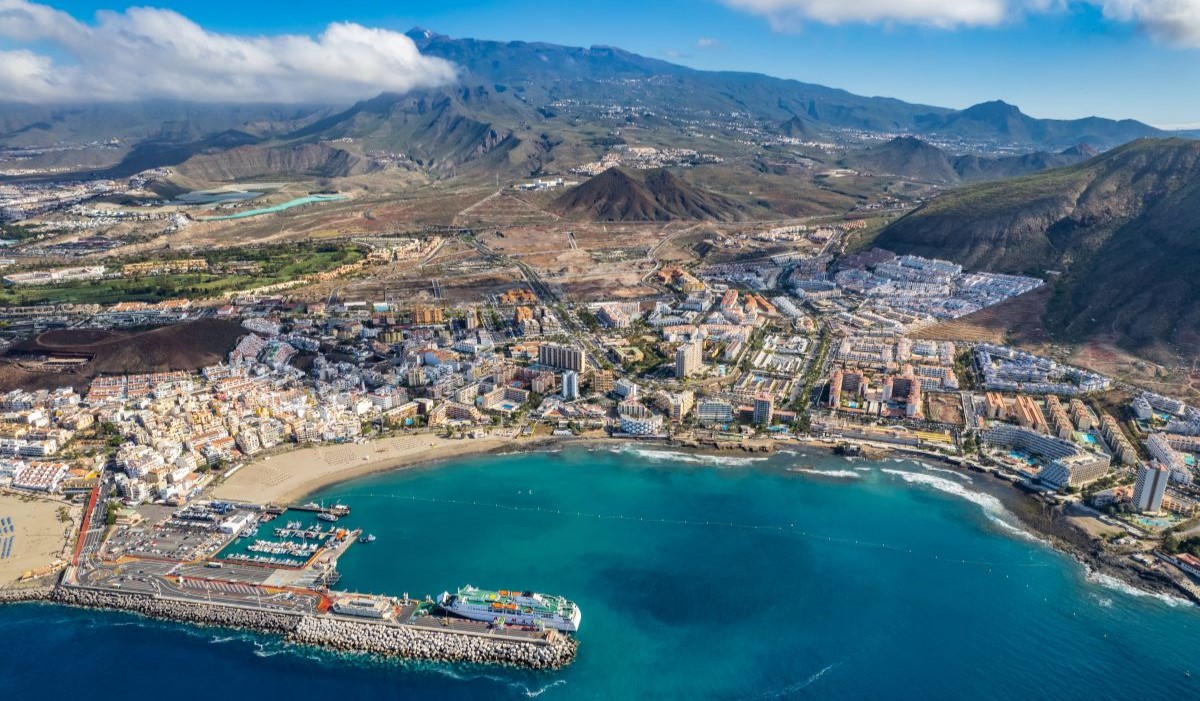
The archipelago has emerged as Spain’s top-performing tourism market at the start of 2026, outperforming the country’s traditional urban and coastal heavyweights across every key indicator of hotel profitability.
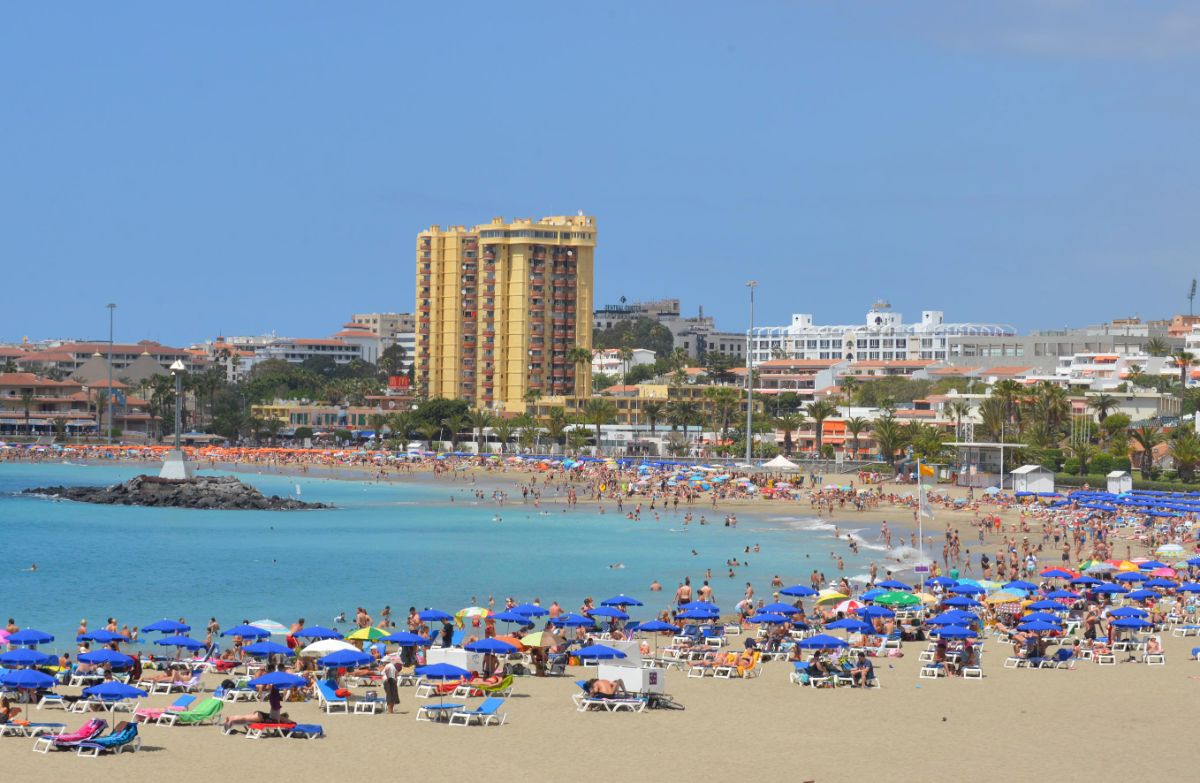
The island’s decline contrasts with a broader rise in recognised beaches across the Canary Islands.

Malfunctioning equipment and staff shortages have once again exposed weaknesses in border control operations during peak arrival periods.

The south of Tenerife is marking four decades as the island’s undisputed tourism powerhouse, a position it assumed in 1986 after overtaking Puerto de la Cruz, which had dominated the archipelago’s holiday maps throughout the 1960s and 1970s. What began as a gradual shift in visitor preferences has since become a defining feature of Tenerife’s

The incident has reignited concerns over the dangers of thrill-seeking at a site with a long and tragic history.