


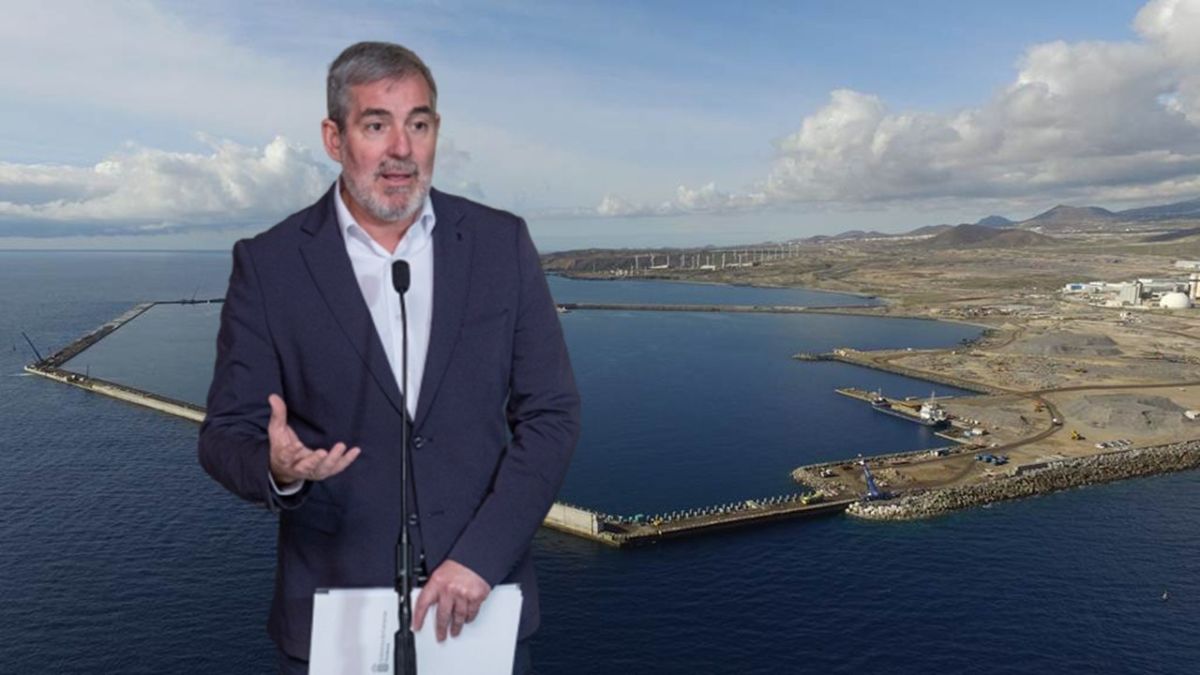
The President of the Canary Islands, Fernando Clavijo, has set out a firm and uncompromising position regarding the handling of passengers aboard the hantavirus-affected cruise ship MV Hondius, stressing that no one will be allowed to leave the vessel unless all evacuation logistics are fully secured in advance.
Speaking to the media during the inauguration of a local health centre in Barroso, in the municipality of La Orotava, Clavijo underlined that the regional government’s priority is to minimise any potential health risk by reducing the time evacuees spend on land to an absolute minimum. According to his statements, this objective will only be achieved through tightly coordinated operations between all authorities involved.
A tightly controlled evacuation strategy
Clavijo made it clear that the disembarkation process will be subject to strict conditions. In particular, he emphasised that passengers will not step ashore unless the evacuation aircraft is already positioned on the runway, ready to receive them immediately.
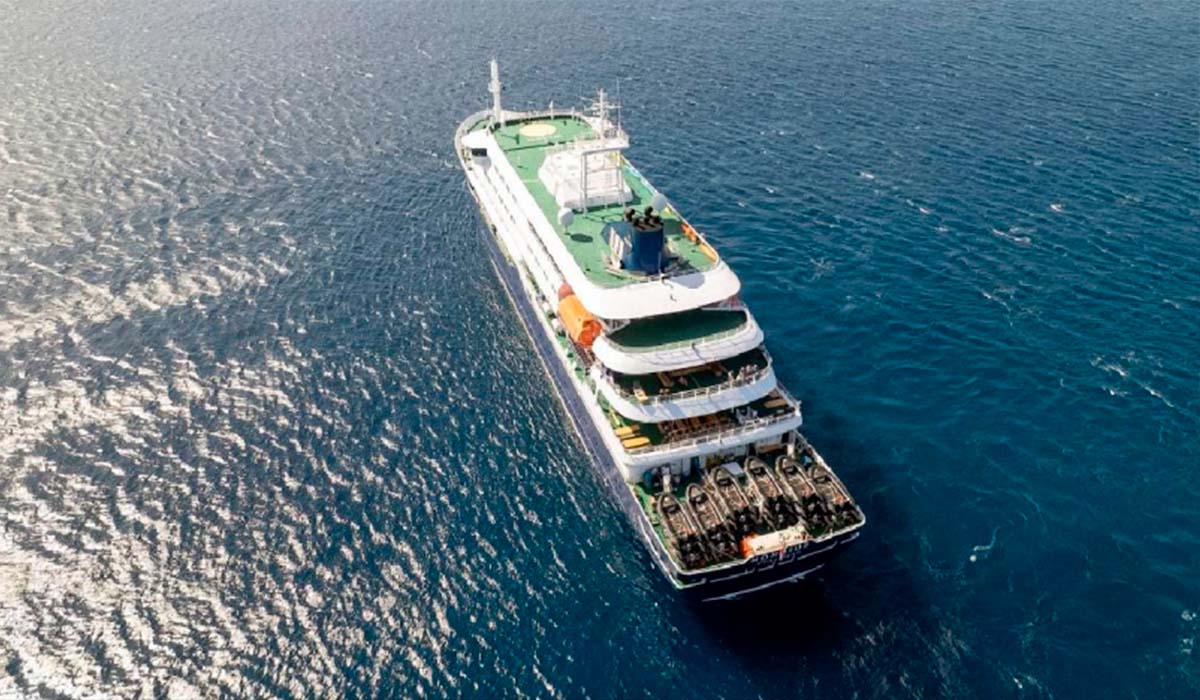
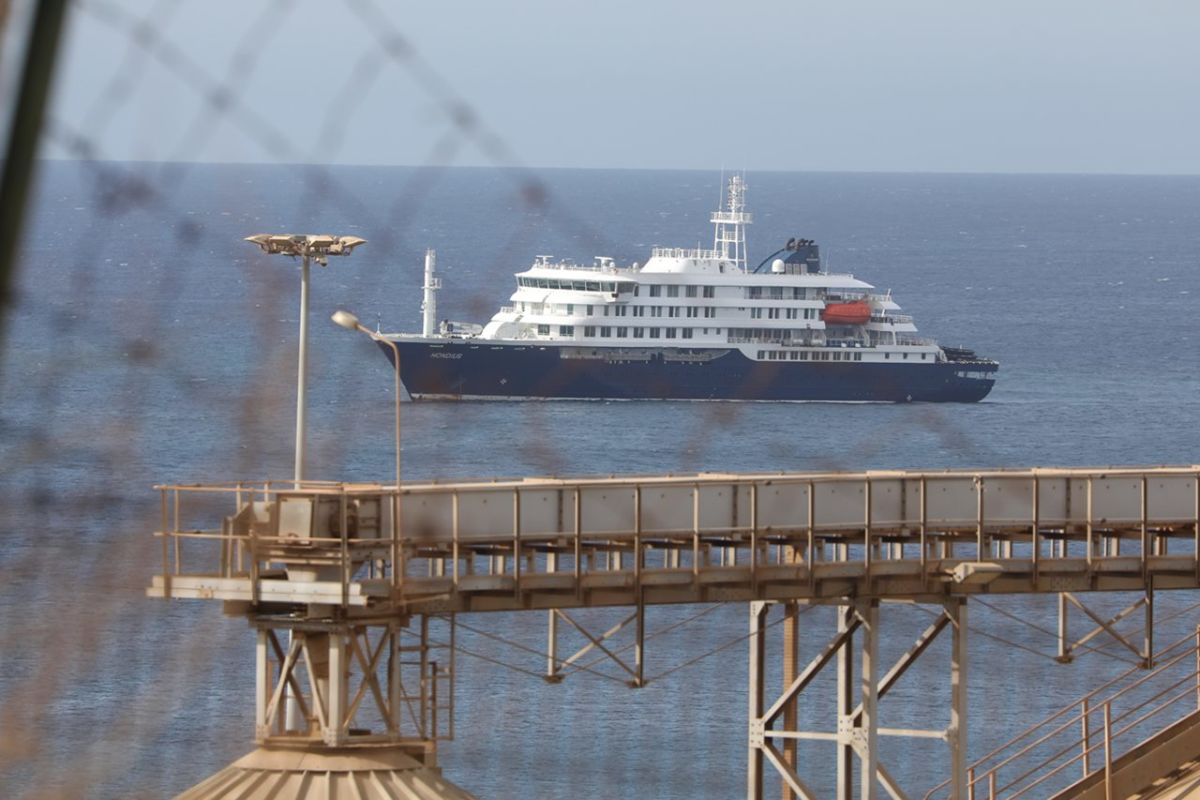
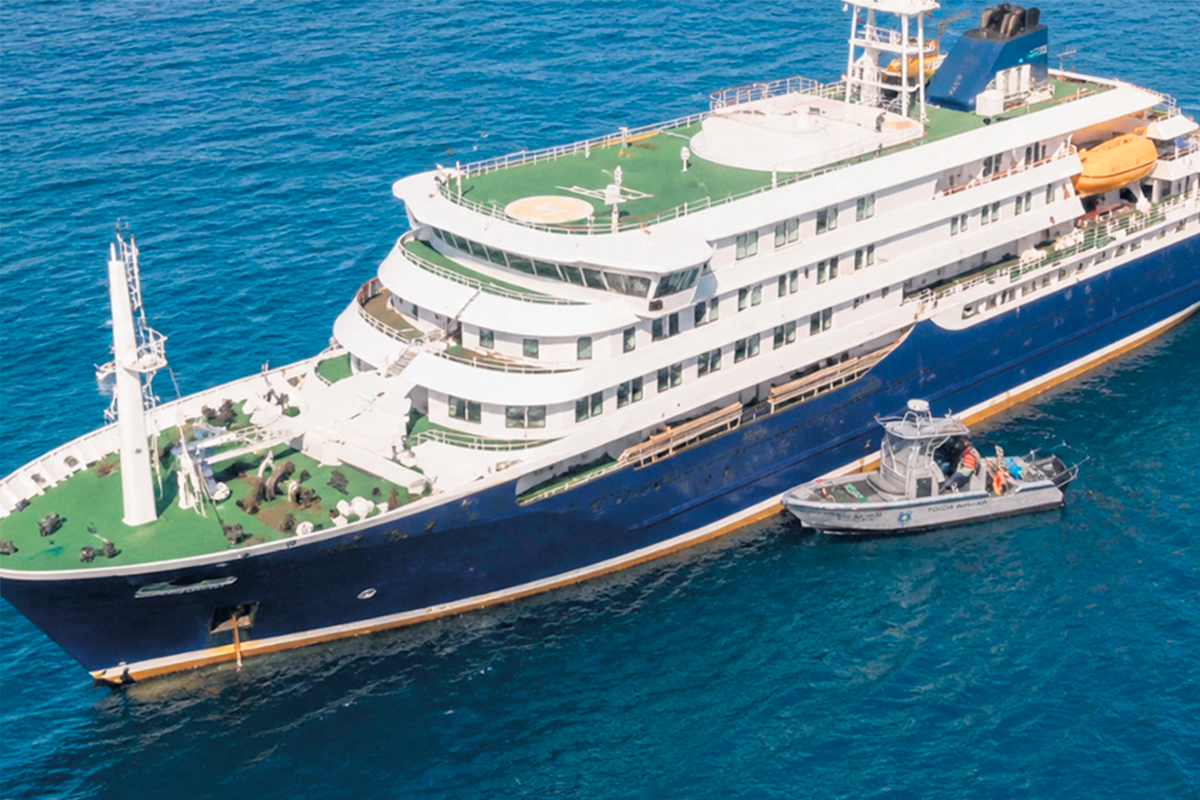
The planned operation foresees that the ship will not dock but remain anchored off the coast of Granadilla. From there, evacuees will be transferred under controlled conditions from the vessel to the quay and then transported directly to the airport without delay. The aim is to ensure a seamless and rapid transfer, eliminating unnecessary waiting times and minimising exposure.
“The key is coordination,” Clavijo explained, noting that vehicles carrying passengers are expected to move straight to the aircraft steps upon arrival at the airport. This approach, he added, guarantees that the entire process is carried out with maximum safety while keeping the time spent in the Canary Islands to a minimum.
Uncertainty over the ship’s next movements
While the evacuation of passengers is being prioritised, questions remain regarding the future of the MV Hondius itself. Clavijo acknowledged that it is still unclear whether the vessel will be able to depart immediately for the Netherlands once the evacuation has been completed.
The decision will depend largely on the health status of the crew. If no infections are detected among them, the regional president suggested that there would be little justification for the ship to remain in Canary waters. However, this scenario has yet to be confirmed.
International coordination challenges
Beyond the Spanish passengers, the situation is further complicated by the multinational composition of those on board. Clavijo pointed out that, while Spain has already arranged a military aircraft to evacuate its 14 nationals, there may be up to 23 different nationalities represented among the remaining passengers.
The Canary Islands Government is therefore awaiting clarification on how other countries intend to manage the evacuation of their citizens. The regional authorities have expressed concern that a lack of coordination at international level could lead to delays, something they are keen to avoid.
Preparedness amid ongoing criticism
At the same time, the regional government is working to ensure that all necessary medical and logistical resources are in place to respond to any eventuality during the operation. Health services are reportedly on standby to manage potential complications, reflecting the seriousness of the situation.
Clavijo also reiterated his administration’s criticism of the initial decision by the national government to direct the ship towards the Canary Islands. Nevertheless, he acknowledged that the priority now is to manage the situation as effectively as possible.
Despite the tensions and unresolved questions, the regional authorities remain focused on executing a controlled, coordinated evacuation that safeguards public health while preventing unnecessary disruption on the islands.