




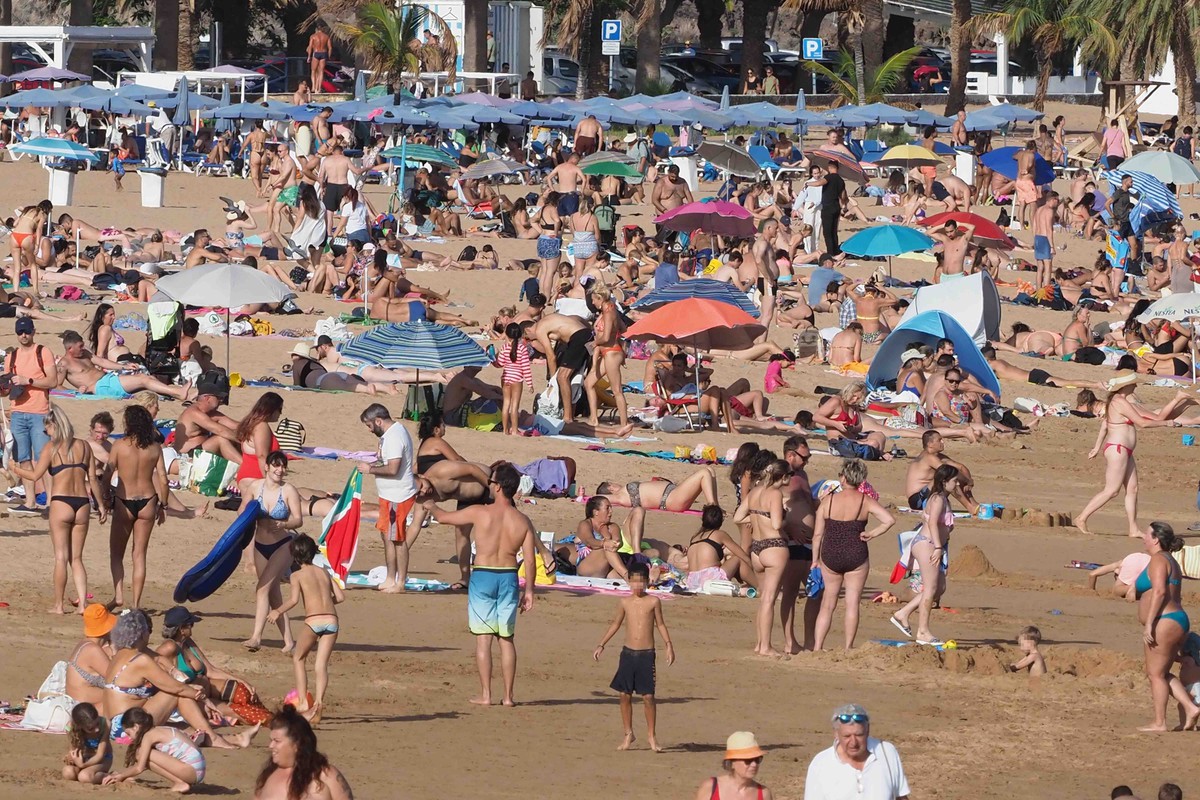
The Canary Islands are preparing for a significant change in weather conditions this Sunday, 24 May 2026, as a new episode of intense heat is expected to affect the whole Archipelago. The regional government, through the Directorate-General for Emergencies, has issued a high-temperature early warning that will come into force at 11:00 am, following the latest forecasts from the State Meteorological Agency, Aemet.
The warning has been activated under the Canary Islands Specific Emergency Plan for Adverse Weather Conditions, known as PEFMA. This protocol allows the authorities to coordinate public resources, inform local councils and island governments, and alert the population to weather situations that could pose a risk to public safety.
According to the forecast, temperatures will rise gradually and widely across the islands, with the most intense heat expected in the eastern province. The episode will be especially notable because of the high values forecast for late May, with several areas likely to experience temperatures well above normal.
Fuerteventura and Lanzarote could exceed 37°C

The greatest concern is focused on the eastern islands, particularly Fuerteventura and Lanzarote, where temperatures could reach or even occasionally exceed 37°C.
The heat will be felt most strongly in inland areas located in the southern halves of both islands. These zones are usually more exposed to the influence of warm air masses from the Sahara, which can cause temperatures to rise sharply, especially during the central hours of the day.
The arrival of this hot air mass will create particularly uncomfortable conditions in areas away from the coast, where sea breezes are less able to moderate the heat.
Gran Canaria to face temperatures above 34°C
Gran Canaria will also be strongly affected by the rise in temperatures. Forecast models indicate that maximum values could reach or exceed 34°C, especially in inland areas and across the southern slope of the island.
The greatest impact is expected on slopes facing south and west, where solar exposure and the accumulation of warm air can make conditions more intense. These areas are likely to experience the highest heat stress during the middle of the day and early afternoon.
Tenerife and La Gomera also under heat pressure

The western province will not escape the effects of the heatwave. In Tenerife and La Gomera, temperatures may exceed 32°C, particularly in mid-altitude areas and summit zones.
The heat will be more noticeable on the southern slopes of both islands, where prolonged sunshine and the stagnation of warm air can increase the sensation of heat. These conditions may be especially relevant for people carrying out outdoor activities, workers exposed to the sun, and residents in poorly ventilated homes.
El Hierro and La Palma will see less intense heat
The westernmost islands, El Hierro and La Palma, are expected to experience a somewhat less severe episode compared with the central and eastern islands. However, the Directorate-General for Emergencies warns that temperatures could still reach or exceed 30°C at certain times of the day.
In El Hierro, the highest values are expected in mid-altitude areas and peaks of the northeast. In La Palma, the heat will be particularly noticeable on the western slope, where temperatures may rise during the central hours.
Although the episode will be less intense there, the authorities are still urging caution, especially among vulnerable groups and those spending time outdoors.
Authorities call for caution and self-protection

Given the expected rise in temperatures, the Canary Islands Government has appealed for individual responsibility and asked residents and visitors to follow the advice issued by emergency services.
The main recommendations include drinking water frequently, avoiding prolonged sun exposure during the hottest hours, reducing intense outdoor physical activity, and paying close attention to vulnerable people.
Special care is advised for elderly people, young children and those with chronic illnesses, particularly respiratory or cardiovascular conditions. These groups are more vulnerable to heat-related health problems and should avoid unnecessary exposure during the hottest part of the day.
The government also recommends staying in cool or shaded places whenever possible, wearing light clothing, and checking on relatives or neighbours who may need assistance.
Overall, Sunday is expected to bring a marked rise in temperatures across the Canary Islands, with the most extreme values in Fuerteventura and Lanzarote, strong heat in Gran Canaria, and significant warmth in Tenerife, La Gomera, La Palma and El Hierro. The early warning will remain a key tool for monitoring the situation and coordinating the response if conditions worsen.

